Surface Preparation before painting
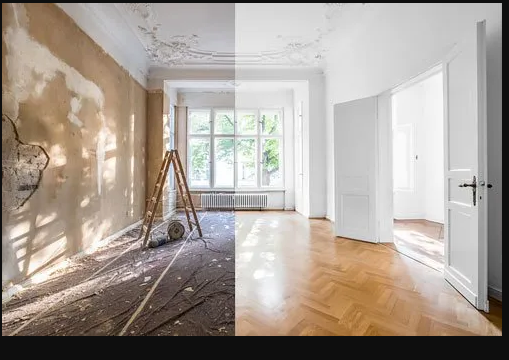
Surface preparation is the foundation of any successful painting project. No matter how high-quality the paint or how skilled the application, poor preparation will almost always lead to unsatisfactory results—peeling, cracking, uneven coverage, or premature wear. Taking the time to properly prepare a surface ensures better adhesion, a smoother finish, and a longer-lasting outcome.
Understanding the Importance of Surface Preparation before painting
Paint adheres best to clean, dry, and stable surfaces. When a surface is contaminated with dust, grease, moisture, or loose material, the paint cannot form a strong bond. This weak adhesion often results in flaking or bubbling over time. Proper preparation not only enhances the appearance of the paint but also protects the underlying material from environmental damage such as moisture infiltration or corrosion.
Cleaning the Surface
The first step in surface preparation is thorough cleaning. Dirt, dust, grease, and mildew must be removed before any painting begins. For interior surfaces, a mild detergent solution is often sufficient. Kitchens and bathrooms may require stronger degreasers due to higher levels of residue. Exterior surfaces might need pressure washing to remove built-up grime, mold, or peeling paint.
Mildew, in particular, should be treated with a suitable anti-fungal solution, as painting over it will not stop its growth and may cause it to reappear through the new paint layer.
Repairing Imperfections
Once the surface is clean, it should be inspected for damage. Cracks, holes, dents, and other imperfections must be repaired. For walls, fillers or spackling compounds can be used to create a smooth, even surface. Wood surfaces may require putty, while metal surfaces might need rust treatment and removal.
Ignoring these imperfections will result in a visibly uneven finish, as paint tends to highlight rather than hide flaws.
Sanding and Smoothing
Sanding is a critical step that helps create a uniform surface and improves paint adhesion. Glossy surfaces, in particular, need to be lightly sanded to remove shine and provide “tooth” for the paint to grip onto. For previously painted areas, sanding also helps to feather the edges where old paint has chipped away.
After sanding, all dust must be removed using a vacuum or a damp cloth, as leftover particles can interfere with the paint finish.
Priming the Surface
Primer acts as a bonding agent between the surface and the paint. It is especially important when painting over bare materials, porous surfaces, or when making a significant color change. Primers help seal the surface, block stains, and ensure uniform color coverage.
Different surfaces require different types of primers:
- Wood may need a stain-blocking primer.
- Metal requires a rust-inhibiting primer.
- Drywall benefits from a sealing primer to prevent uneven absorption.
Skipping primer can lead to uneven color, increased paint consumption, and reduced durability.
Ensuring Proper Conditions
Environmental conditions also play a role in surface preparation. Surfaces must be completely dry before painting, as moisture can cause paint failure. Temperature and humidity should fall within the recommended range for the paint being used. Painting in extreme conditions can affect drying time and adhesion.
Final Inspection
Before applying paint, a final inspection ensures that the surface is clean, smooth, and properly primed. Any missed spots, dust, or imperfections should be addressed at this stage to avoid compromising the final result.
Conclusion
Surface preparation is not the most glamorous part of painting, but it is undoubtedly the most important. Investing time and effort into proper cleaning, repairing, sanding, and priming sets the stage for a professional-looking finish that will stand the test of time. Skipping or rushing this process often leads to costly repairs and repainting in the future, making thorough preparation a wise and necessary step in any painting project.